COUNTRY — ICELAND
Iceland: youth voice, creative pedagogy and teacher education
University of Iceland · Professor Rannveig Björk Þorkelsdóttir and Jóna Guðrún Jónsdóttir. Locally responsive youth voice and teacher education.
 01
01Staff, university and country context
University of Iceland. Project lead: Professor Rannveig Björk Þorkelsdóttir and Jóna Guðrún Jónsdóttir. The educational, policy and initial teacher education context will be developed with the country team, retaining local priorities and language.
Youth participation sessions
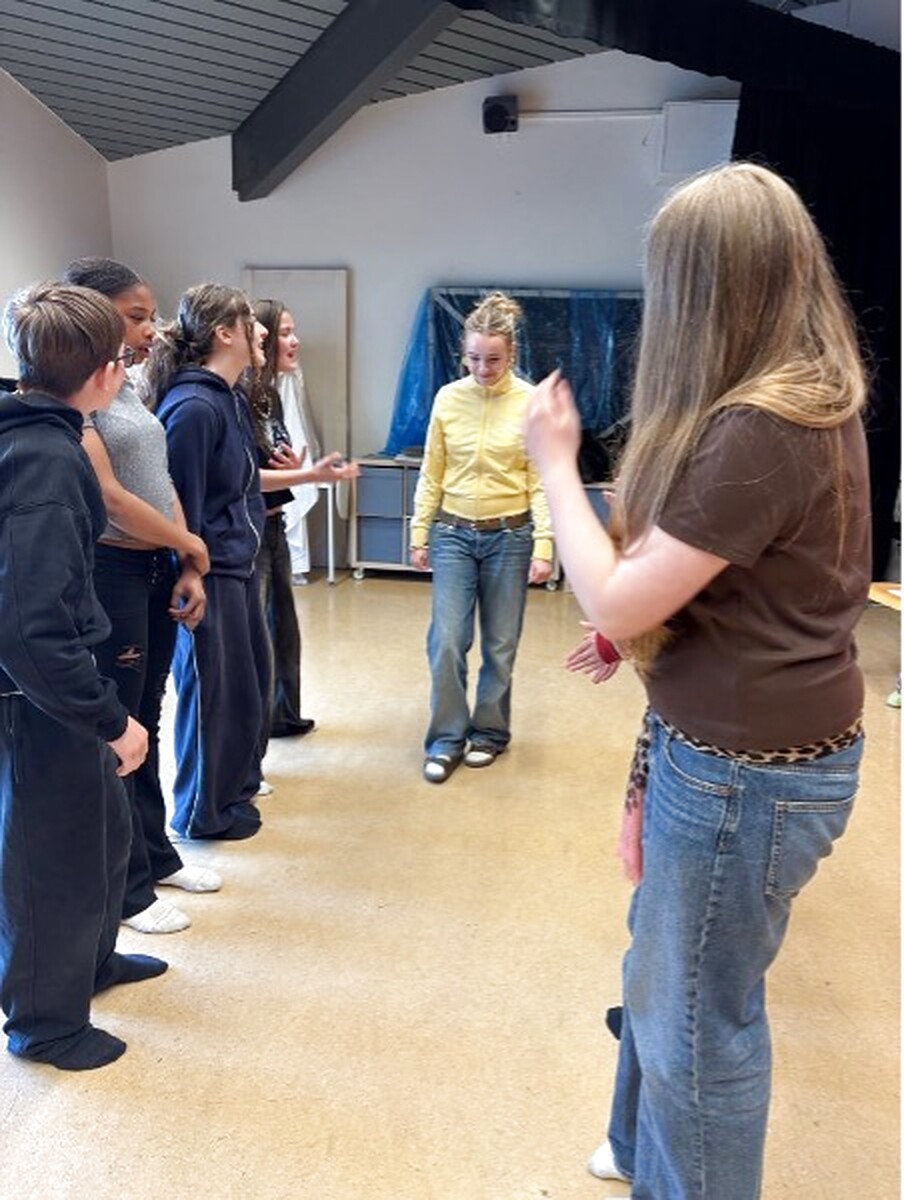
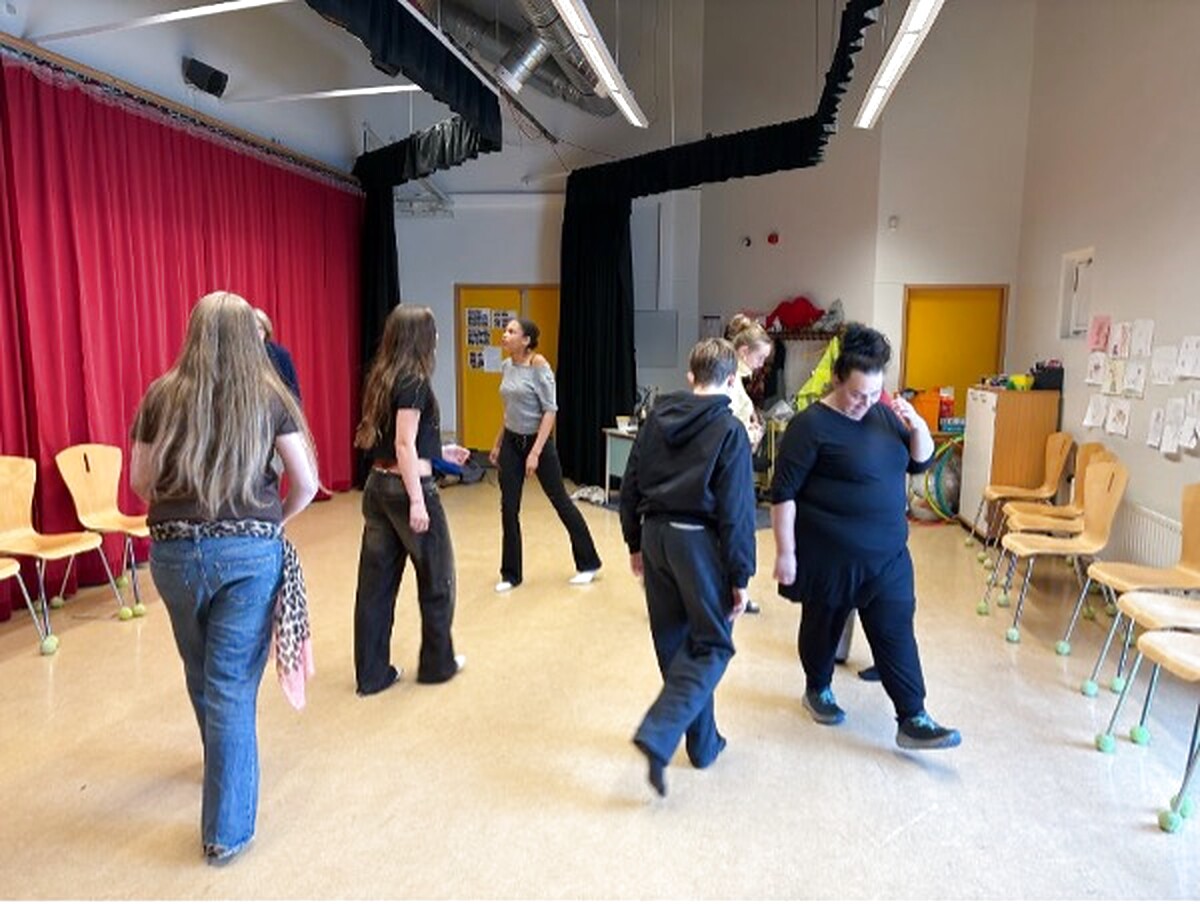
Eleven young people aged 14–16 took part through the Joy Bank youth centre: nine girls and two boys from mixed ethnic backgrounds. The setting works through youth-democracy structures, including elected councils, open forums and opportunities for young people to develop their own ideas from beginning to end. Their priorities centred on emotional safety and mental health; empathy and mutual respect; student voice and democratic participation; agency; collaborative learning; creativity and self-expression; inclusion and belonging; and ethical concerns about AI and human identity.
Youth priorities and youth voice
Participant groups, methods, consented youth evidence, photography and video are in progress.
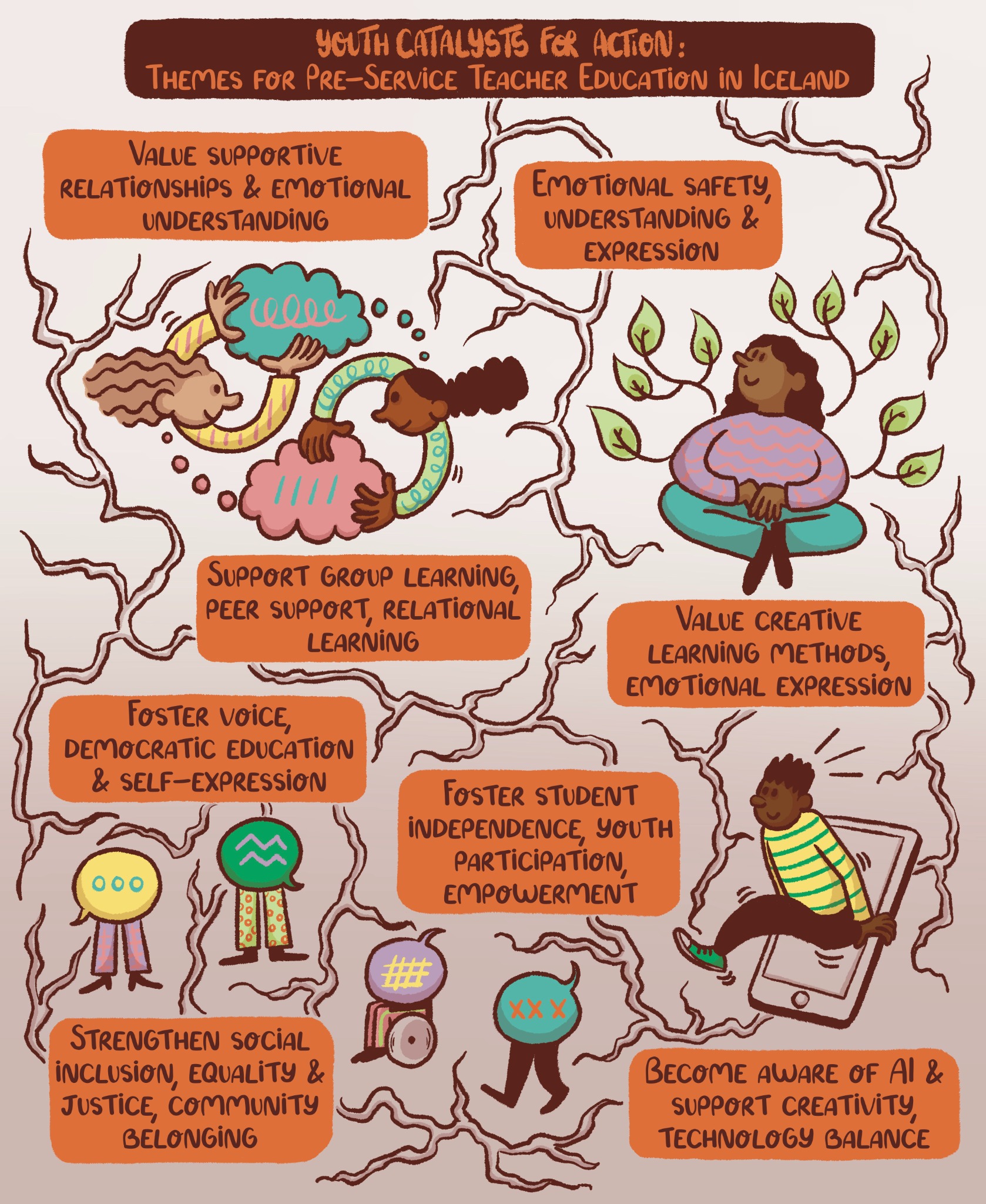
Iceland Youth Catalysts illustration
05Youth Catalysts for Action
- Create emotionally safe learning environments that actively support mental health and wellbeing.
- Build empathy, kindness, mutual respect and supportive teacher–student relationships.
- Strengthen student voice, democratic participation and freedom of self-expression.
- Develop autonomy, agency, responsibility and youth leadership.
- Use collaborative learning and peer support to build community and collective creativity.
- Value creativity, theatre, film, podcasts and other art-based approaches to learning.
- Address AI critically, protecting human identity, creativity, critical thinking and connection.
- Advance inclusion, equality, belonging, LGBTQ+ inclusion, anti-racism and anti-misogyny.
Partners
University partner: University of Iceland. Creative practitioners, youth organisations, schools and policy partners will be added as confirmed.
Pedagogical response
The Joy Bank analysis is grounded in a youth-democracy context where elected councils, committees and open forums enable young people to influence activity and carry ideas from conception to delivery. The research used creative and participatory text types, including ‘I stand for’ and ‘We need’ statements, to connect lived experience with educational priorities.
ITE learning and voices
For future teachers, the evidence foregrounds active listening, respectful communication, emotional support, shared decision-making and opportunities for creative expression. It asks teachers to understand learning as relational: pupils need to feel valued, heard and safe, with genuine opportunities to influence their learning and participate alongside peers.
What students said
Quotations, audio, film and creative artefacts will be added with consent and clear attribution.
Emerging impact
- Young people articulated an interconnected vision of care, equality, inclusion, respect for people and nature, and free self-expression.
- They linked safe housing, personal space, education, green space, recreation and community support with confidence, connection and wellbeing.
- Their responses show how equality, belonging, learning and emotional wellbeing are experienced as mutually reinforcing rather than separate concerns.
- Themes were developed through familiarisation, descriptive and inferential coding, review and refinement, with cross-referencing used to support transparency and rigour.
Research and resources
Methods, findings, publications and downloadable materials will be added with evidence status, language and attribution clearly labelled.